
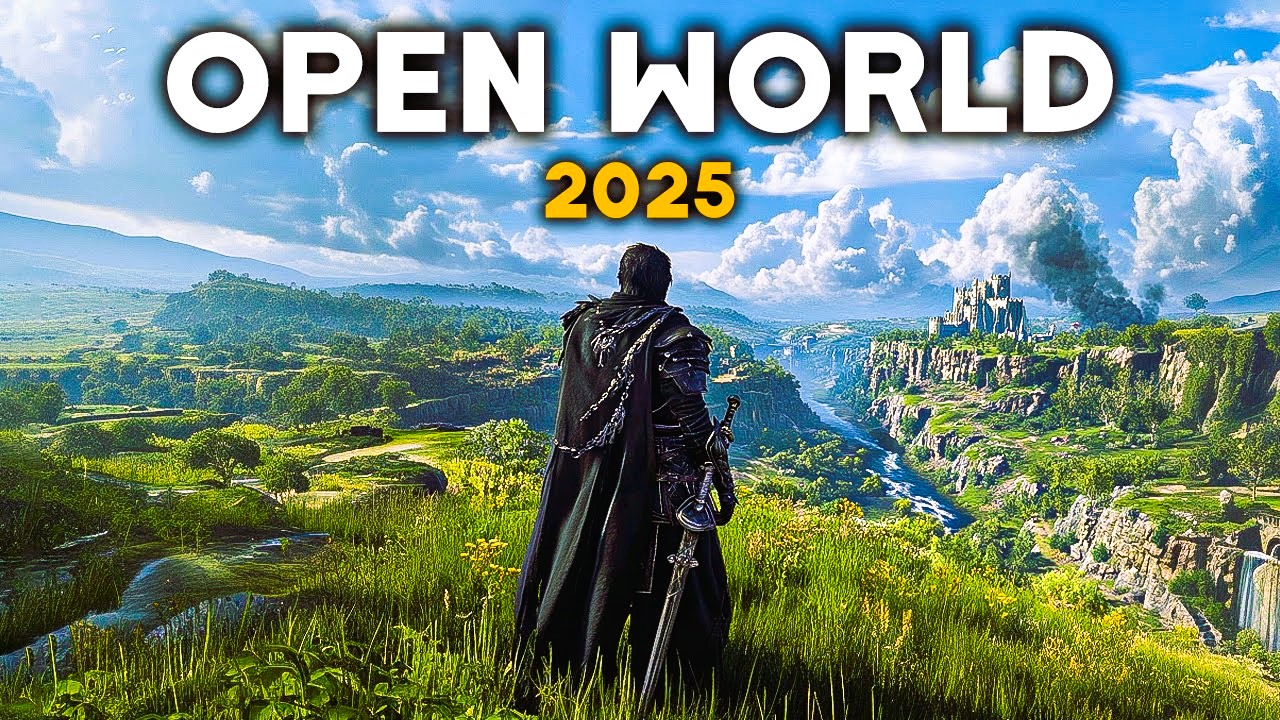
Alright, listen up—if you’ve been diving into open-world games for the past decade, you know the genre’s been on a wild ride. From the vast, wild plains of Red Dead Redemption 2 to the alien landscapes of No Man’s Sky, these games have evolved at breakneck speed. But here’s the thing: the open-world genre is far from done evolving, and the future is looking super bright—and a little crazy.
As we step into a new era of gaming, we’re about to see some insane innovations that’ll make your jaw drop and your controller feel like a piece of ancient technology. So, what’s on the horizon for open-world games? Let’s break it down—because there’s a ton to unpack.
1. Smarter NPCs: AI That Thinks Like Us (Well, Sorta)
One of the biggest complaints about open-world games? The NPCs. No, I’m not talking about the ones in the story—you know, the ones that make you feel like you’re in a blockbuster movie. I’m talking about the background characters that barely react to anything you do. They walk the same boring path over and over, and it’s like they have no life of their own.
The AI Revolution
But all that’s changing. We’re already seeing the shift in some games, but trust me—this is just the beginning. Expect to see way smarter AI in the future. Think NPCs that adapt to your actions and the world around them. Imagine the Elder Scrolls NPCs actually reacting to your chaos, or NPCs that remember your choices across different playthroughs. Cyberpunk 2077 has already made strides with NPC behavior, and it’s only gonna get better.
- Dynamic Behavior: Expect NPCs to change their routines based on the world and your actions. If you’re wreaking havoc, the shopkeeper might lock up earlier, or the guards will be on high alert. If you help someone out, they might remember you when you return.
- Emotional Intelligence: In the future, NPCs will react more emotionally. The buddy you’ve been helping out in the game might start developing trust or resentment depending on how you treat them.
Why It Matters:
A more responsive world makes the game feel alive. It’s not just about wandering around for loot anymore; you’ll actually feel like the world’s evolving around you. The more interactive the NPCs, the more immersive the experience. It’s gonna make that crazy multiplayer world feel like a legit second life.
2. Procedural Worlds That Never End
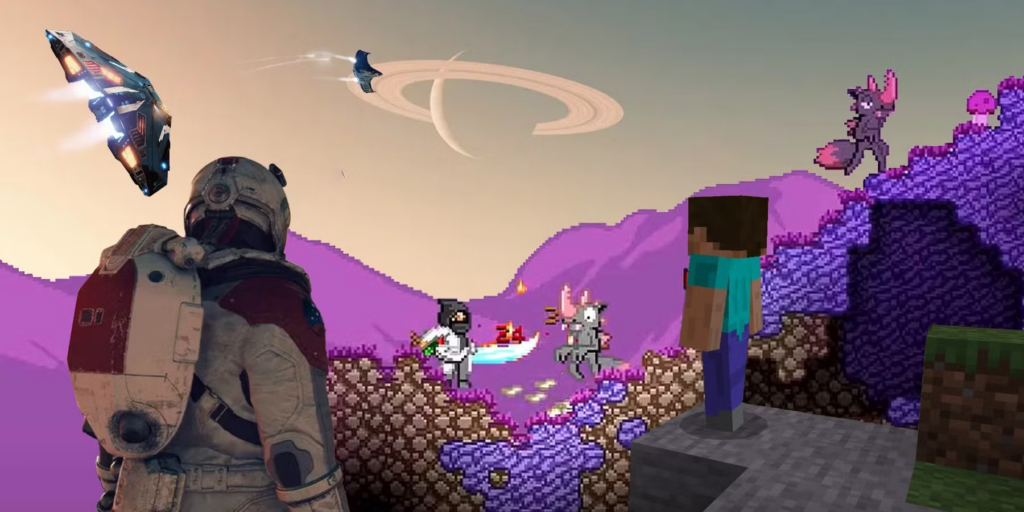
One of the best things to happen to open-world games in recent years is the rise of procedural generation. But if you thought Minecraft’s endless possibilities were impressive, just wait until you see what’s coming. Looking for extra income? Read our article on how to make money playing games.
Infinite Worlds
We’re talking about worlds that dynamically generate as you explore them, with unique quests, biomes, and even entire cities that didn’t exist the last time you checked. Imagine No Man’s Sky, but on steroids. Or The Witcher 4 with infinite lore, quests, and terrain that never repeats.
- Unique Biomes: Instead of just repeating the same handful of environments, the game will generate entirely new ecosystems, each with its own rules, creatures, and storylines.
- Endless Exploration: Instead of hitting invisible walls, your exploration will feel like it has no limit. The world will constantly shift based on player actions and the environment around you, so no two players will experience it the same way.
Why It Matters:
The future of open-world games isn’t just about bigger maps—it’s about maps that evolve. No more grinding the same old fetch quests or running across the same forests over and over. The game will actually respond to your curiosity, giving you something fresh every time you play.
3. Next-Level Immersion with VR and AR
Okay, we’ve all heard the buzz around VR and AR, but open-world games? That’s where it gets really interesting.
Total Immersion
You’ve probably already dabbled with VR in some form—maybe a quick Half-Life: Alyx session, or trying out a battle royale in VR. But the future? It’s gonna be next level. Think open-world games that throw you straight into their universe, where you don’t just play the game—you live in it.
- Virtual Worlds: Games like Skyrim VR are great, but imagine something like Red Dead Redemption 3 where you’re in the Wild West, smelling the dust, hearing the hooves, and feeling the heat of the sun. You’ll be able to interact with the environment as if it were real.
- Augmented Reality: Imagine an AR game that overlays the virtual world into your own. You could fight off enemies in your living room or build a base right in your backyard. The possibilities for AR in open-world games are endless.
Why It Matters:
Virtual and augmented reality are gonna take immersion to a whole new level. It’s no longer “Oh, that’s a cool game world!” but rather “I am in this world.” The lines between gaming and reality are gonna blur so much that the couch will feel like an ancient relic.
4. Hyper-Realistic Graphics and Dynamic Weather Systems
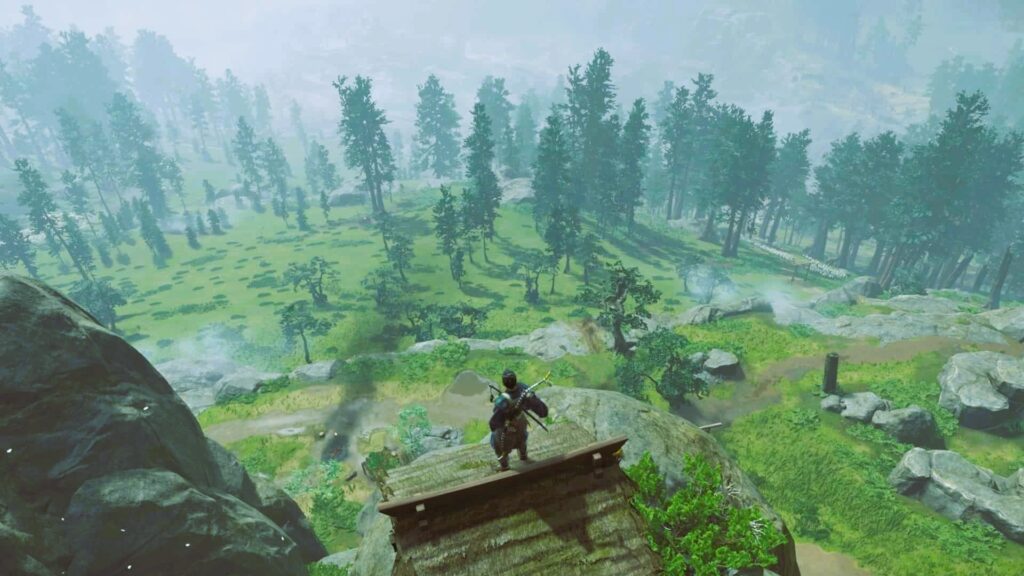
Graphics aren’t everything, but let’s be real: we all love a beautiful game. And we’re not just talking about static, photorealistic backgrounds. We’re talking about living worlds that react in real-time.
Weather and Seasons That Actually Matter
We’ve already seen some games play around with dynamic weather (looking at you, Red Dead Redemption 2). But in the future, weather and seasons are going to be deeper than just “rain” or “sunshine.”
- Realistic Seasons: In the next-gen open-world titles, seasons won’t just change the aesthetics—they’ll impact the gameplay. Winter might make travel more difficult, while summer could bring swarms of new enemies. You’ll need to adjust your strategy.
- Real-Time Reactions: Picture this: a rainstorm hits, and now your footstep sounds are muffled, or your car’s wheels start spinning in the mud. If you’re hunting, the fog could drastically reduce visibility. The world will feel so alive that you’ll be playing as much against the elements as against enemies.
Why It Matters:
This will make the world feel more realistic and immersive. It’s one thing for rain to be a cosmetic thing; it’s another for it to affect your strategy, movement, and even the behavior of NPCs. It’ll make you feel like you’re really surviving out there.
5. Hyper-Personalized Player Experience
Here’s the thing: open-world games are about freedom. You’re in control, right? But what if you could take that control even further and actually shape the world around you?
Customization Like Never Before
Games are already allowing you to tweak characters, weapons, and even gameplay mechanics—but imagine being able to modify the entire world based on your choices.
- Dynamic World Impact: Instead of picking a moral path and sticking to it, your actions could change the world in real-time. For instance, if you take down a powerful faction, maybe their enemy rises to power, shifting the balance of the world.
- Personalized Quests: Forget standard “go here, do that” quests. In the future, the game might craft quests based on your playstyle, your past choices, and how the world’s reacted to you. The game will learn what you like and tailor content just for you.
Why It Matters:
This means your journey won’t just be “one-size-fits-all.” You’ll be making decisions that affect you personally, creating an experience that’s more unique than any pre-designed path. Plus, it’ll keep you coming back for more because no one else will have the exact same world as you.
So, what’s the takeaway from all this? The future of open-world games is about to get insane—we’re talking worlds that evolve based on your actions, smarter NPCs, next-gen graphics, and immersive virtual and augmented experiences. It’s gonna be a wild ride, and if you’re a fan of open-world games, buckle up because these upcoming features are going to blow your mind.
Want to learn more about the development of open-world games? Check out this Wikipedia page to dive deeper.
Now, enough talking—time to boot up your favorite open-world game and see where the future’s taking us!